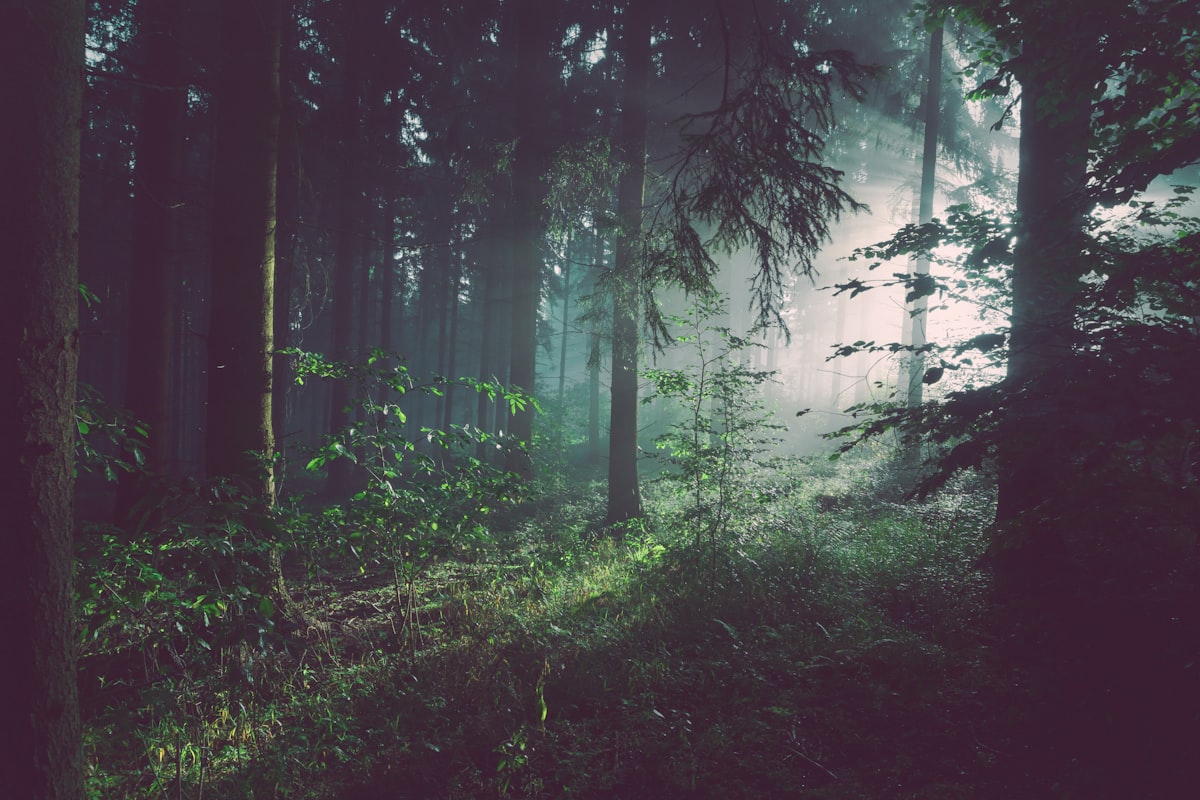
In the grey light before sunrise, the woodland holds its secrets in layers. Deer slots pressed into soft soil, frayed bark at antler height, a tuft of hair caught on a hawthorn thorn — each sign a sentence in a language that rewards patience and punishes haste. After thirty years of woodland stalking, James Hartley shares how he learned to read the ground.
In the grey light before sunrise, the woodland holds its secrets in layers. Deer slots pressed into soft soil, frayed bark at antler height, a tuft of hair caught on a hawthorn thorn — each sign a sentence in a language that rewards patience and punishes haste.
I have been stalking woodland deer for thirty years, first as a boy following my father, then as a professional stalker on a Highland estate, and now as an instructor. The single lesson I return to most often, with every new student, is this: the deer has already told you everything you need to know. You just weren't listening.
Start before the light
The first mistake most stalkers make is arriving at first light. By then, the deer have already moved. They've fed, they've defecated, they've scent-marked. The evidence is fresh. But the animals themselves have often retreated to cover.
Arrive in darkness. Sit at the woodland edge. Let your eyes adjust. Let the wood come alive around you. Tawny owls will call. Foxes will bark. And then, if you are quiet enough, you will hear the deer — a twig snap, the soft thud of a hoof on leaf litter, the exhale of a doe checking the wind.
Reading slots
A deer slot in soft soil tells you more than just "a deer passed here." Its depth tells you body weight. Its spread tells you whether the animal was walking, trotting or running. Fresh slots have crisp edges and often show moisture where the hoof has broken the surface tension of damp ground. Old slots are blurred at the edges, dried or filled with dew.
A large, deep, round-toed slot with a heavy drag mark in soft mud: you're following a mature stag. A small, sharp, dainty print barely pressing into firmer ground: a young roe doe.
The wind above all else
Every other skill is secondary to wind management. I have watched stalkers read sign perfectly, move silently, choose the right ground — and then blow out their quarry because they forgot to check the thermals at the woodland edge where cold and warm air meet at 07:30.
Carry fine ash or a lighter and watch the smoke. Check it every hundred metres in broken ground. The wind that was quartering from your left at the gate will be swirling behind you at the depression 300 metres into the wood.
Fraying and scraping
In September and October, look for fraying posts — small trees or bushes with bark stripped at 60–100cm height, where a stag has rubbed velvet or marked territory. Fresh fraying is white and wet. Old fraying is darkened and dry.
Scrapes are bare soil patches where a buck or stag has used its forelegs and occasionally urinated. A fresh scrape has overturned earth and a sharp, musky smell. It is almost certainly being revisited within 24 hours.
Position a high seat within crosswind view of a fresh scrape during the rut and your patience will be rewarded.
Patience as technique
The final lesson, and the hardest to teach: sitting still is a skill. Most people, when still, are not truly still. They shift weight. They scratch. They turn their heads too fast. They check their phones.
True stillness in a high seat is meditative. It is the willingness to become part of the landscape for two, three, four hours. The deer that eventually steps into your view will have passed within thirty metres of your position three times without seeing you, because you were, for those hours, just another feature of the wood.
That is the art of it.
James Hartley
Professional Deer Stalker, Scottish Highlands